
🧬 NOVA1 – The Human Gene That Changed Mouse Communication
A single genetic change can transform how the brain interprets sounds, emotions, and even social interaction. Among recent discoveries, the NOVA1 gene has become the centerpiece of one of the most fascinating studies in modern neuroscience.
Researchers from Nature Communications revealed that when scientists inserted the humanized version of the NOVA1 gene into mice, their vocal behavior changed dramatically.
What were once simple squeaks evolved into complex vocal patterns — almost like a new animal language.
What Is the NOVA1 Gene and Why Does It Matter?
NOVA1 acts as a key regulator in the brain’s communication network. It manages RNA splicing — the process that determines how neurons connect and interact.
In humans, NOVA1 helps coordinate language, auditory perception, and social behavior. When this gene is altered, it can lead to remarkable changes — especially when introduced into another species.
How Scientists Inserted the Human Gene Into Mice
The Experiment
Using precision tools like CRISPR-Cas9, researchers replaced the original mouse NOVA1 gene with the human variant.
This produced a “humanized mouse” at the molecular level — a living model for studying how evolution reprograms communication in the brain.

The Sound Before Language
After the gene swap, the mice began producing new types of ultrasonic sounds — longer, more rhythmic, and emotionally varied.
These were not random noises; they suggested that the human NOVA1 gene modified the neural circuits that process sound and vocal behavior.
Could This Be the Origin of Language?
This finding raises a profound question: perhaps the earliest steps toward human speech began not with words, but with sound patterns shaped by evolution.
The Connection Between NOVA1 and FOXP2
The FOXP2 gene is famous for its link to human speech and articulation. It governs how the brain transforms thought into sound.
The NOVA1 gene, meanwhile, acts as the neural conductor, ensuring neurons communicate efficiently and in harmony.
When NOVA1 and FOXP2 work together, they create a highly specialized communication network, shaping the very architecture that enables learning, emotion, and language.
A Genetic Bridge Between Humans and Animals
This experiment goes beyond mouse behavior — it reveals a genetic bridge linking humans and other species.
NOVA1 carries an evolutionary signature of communication, connecting us to ancient ancestors and living creatures alike.
The discovery reinforces a powerful idea: communication is a biological instinct, shaped by DNA long before culture and language existed.
Genetics, Evolution, and the Voice of Humanity
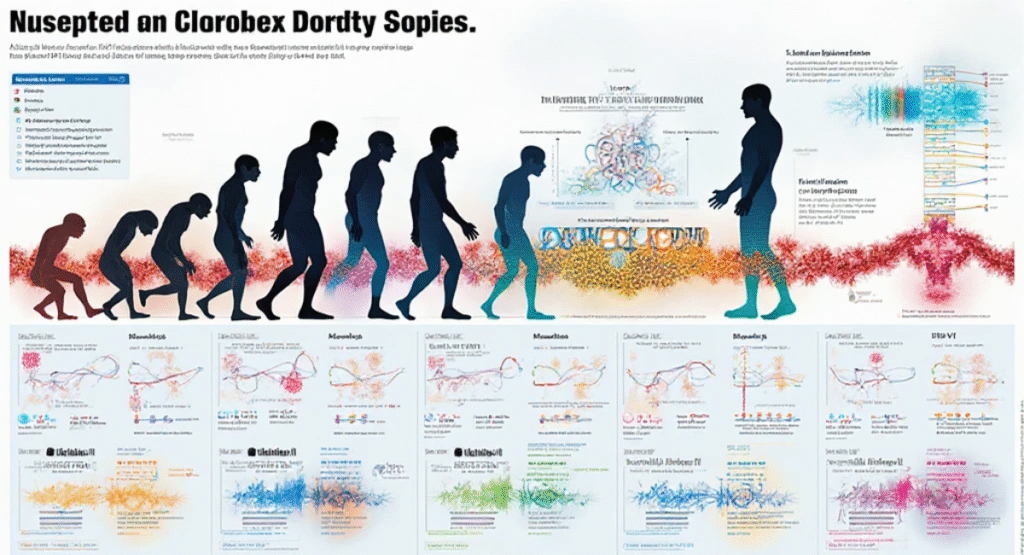
As biotechnology advances, genes like NOVA1 become essential keys to understanding what makes us human.
These studies blur the line between science and philosophy, leading to questions that challenge our ethics and imagination:
- How far can we go in “humanizing” other species?
- Could DNA hold the code for emotion and consciousness?
- Is language simply the genetic expression of thought?
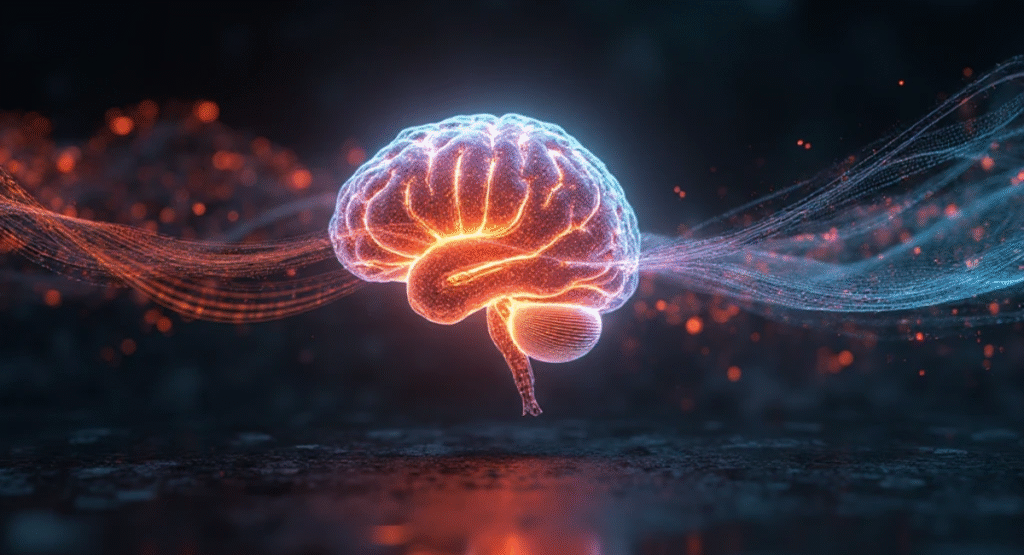
Discover More in the eBook NOVA1 – Discoveries About the Human Gene and Animal Behavior
Explore how genetics and neuroscience intersect in this groundbreaking story about the mind, language, and evolution.
Uncover how the NOVA1 gene may hold the key to understanding the sound of our own origins.















Publicar comentário